
Industrial Relations, Union Management & Labour laws Specialist Certificate Program
The Certification in Industrial Relations, Union Management & Labour Laws (IRUMLL) is a specialized course that equips HR Practitioner with the skills and knowledge required to manage Employee and Industrial relations in organizations. This Certification program focuses on effective workforce management, conflict resolution, and ensuring harmonious labour-management relations.
INDUSTRIAL RELATIONS CERTIFICATION
People Manager


DUAL CERTIFICATE PROGRAM
5 out of 6 learners get positive career growth

Master the concepts of Employee & Workplace Relations to become a Certified Industrial Relations Specialist with People Manager's Online Certification Course on the Advanced Industrial Relation, Union Management Strategies & Initiative .
Gain a detailed understanding of Industrial Relations, Union Management Initiatives, Workplace Engagement Program Measurement & Business Impact to facilitate efficient Industrial Development and Achieve Strategic Business Goals.
Salient Features of the Program
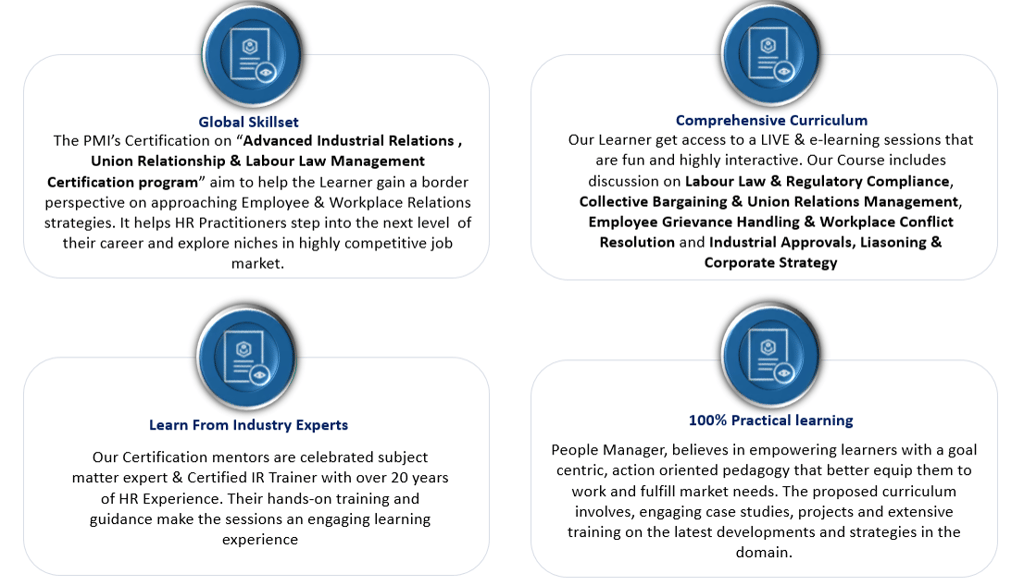
About the Certification Program
Professional Certificate Program on Strategic IR Role in Changed IR Landscape
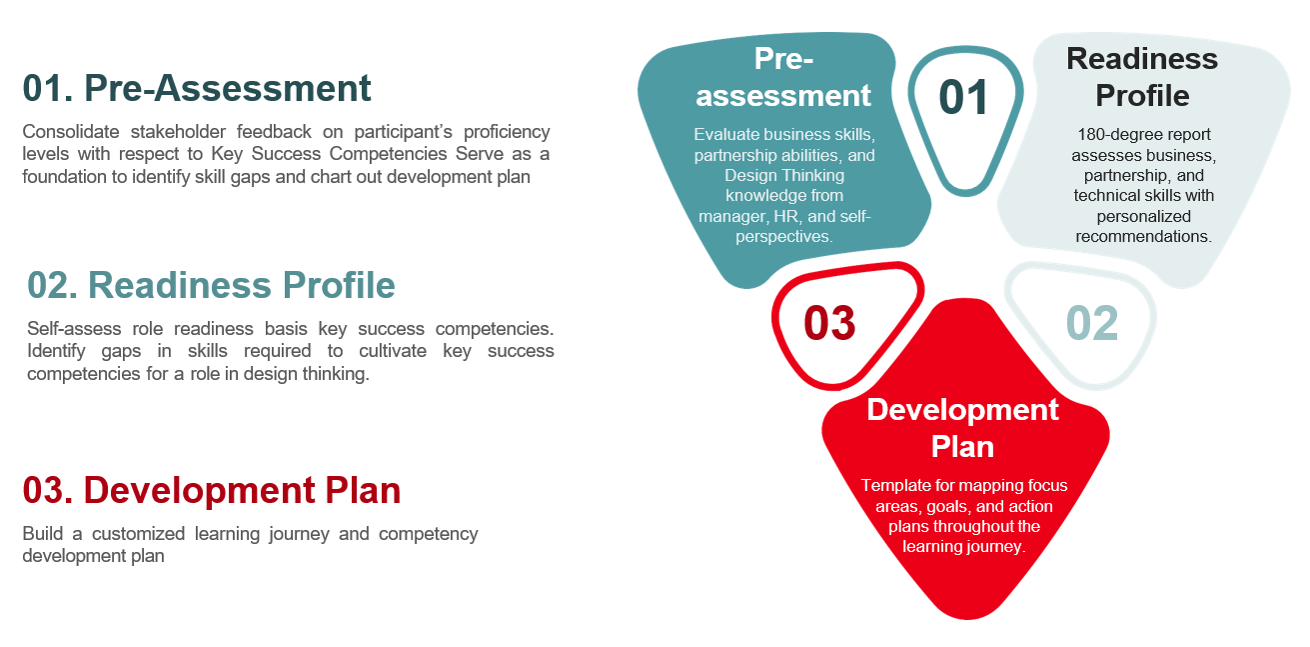
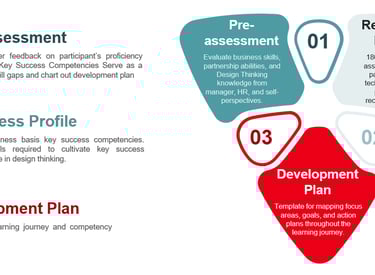
Role Readiness
A set of elements to gauge your role readiness and chart your development plan
180*
120 Day
4 Level Ability Building Roadmap
SKILL, ABILITY & POTENTIAL ASSESSMENT
Benefits
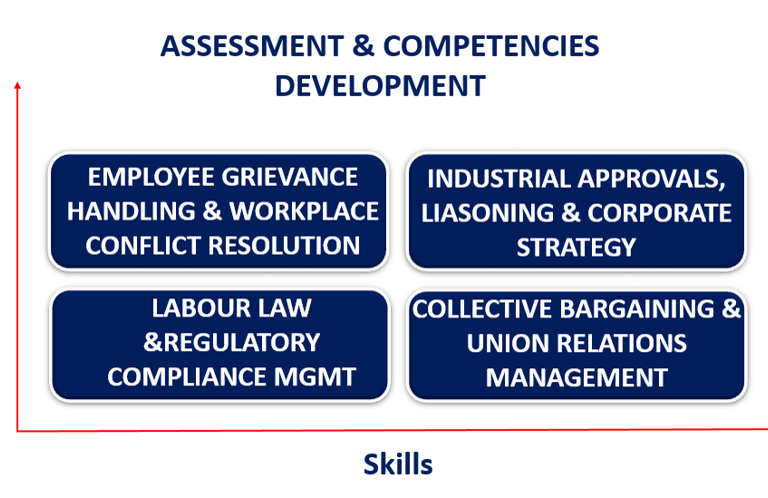
4 DOMAINS , 8 COMPETENCIES & 40+ SKILLS DEVELOPMENT
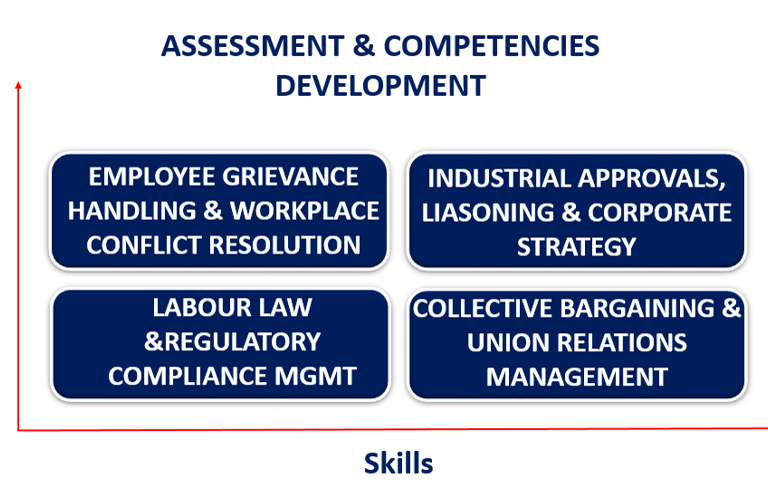
Learn 40+ Strategic IR Skills in One program for 4 Expertise Areas
Managing government approvals for Greenfield industrial projects.
Handling legal formalities for mergers and acquisitions.
Facilitating factory closure negotiations with employees and unions.
Conducting workplace audits for labor compliance.
Filing license renewals with regulatory bodies.
Negotiating with government officials for industrial policy considerations.
Managing statutory approvals for large-scale industrial operations.
Leading corporate restructuring discussions from an IR perspective.
Preparing compliance reports for industrial safety and labor welfare regulations.
Developing strategic workforce planning policies aligned with legal mandates.
APPROVALS, LIASONING & IR STRATEGY
Designing grievance redressal mechanisms within companies.
Conducting domestic inquiries for workplace misconduct cases.
Mediating employee-employer disputes professionally.
Implementing disciplinary actions in accordance with employment laws.
Handling harassment and discrimination investigations.
Training HR teams on effective conflict resolution techniques.
Drafting termination policies while ensuring compliance.
Analyzing employee feedback trends for workplace improvement.
Facilitating employee assistance programs for mental well-being.
Coordinating workplace ethics initiatives for harmonious labor relations.
GRIEVANCE & CONFLICT RESOLUTION
Leading union negotiations during wage settlements.
Drafting and reviewing Collective Bargaining Agreements (CBA).
Mediating conflicts between employers and unions.
Conducting union grievance redressal meetings.
Analyzing industry-wide wage standards to support negotiations.
Establishing union representation policies within organizations.
Preparing strategic union engagement frameworks for companies.
Organizing leadership training programs on union relations.
Handling union elections and membership concerns.
Advising on legal implications of union actions like strikes or protests.
COLLECTIVE BARGAINING & UNION MGMT
Conducting labour law audits to ensure compliance.
Drafting employment contracts, ensuring adherence to legal frameworks.
Filing statutory compliance reports with government authorities.
Managing legal documentation related to layoffs, severance, and employee rights.
Reviewing HR policies to align with labor law changes.
Handling court cases & arbitration for labor disputes.
Organizing employee awareness programs on workplace rights.
Assisting in corporate legal advisory on employment law risks.
Conducting internal investigations for labour law violations.
Liaising with government agencies for labour inspections & approvals.
LABOUR LAW & REGULATORY COMPLIANCE
Objectives of the Industrial Relations, Union Management & Labour Law Certification Program
The objectives of the The Strategic IR Ready Practitioner Certification validates core skills across Employee Grievance & Conflict Management, Collective Bargaining & Union Management, Approvals & IR Strategy Partnership:
Outcome: Certified Strategic IR Ready Practitioner, equipped to align IR Strategy Planning, Grievance Handling, Disciplinary Matters, Association Relations, Collective Bargaining, Union Management, Labour Laws and Approvals & IR digital transformation.
Build strong domain expertise in Industrial Relations, Labour Laws, and Union Management
Develop effective strategies for workforce management and employee relations
Master conflict resolution techniques to ensure harmonious labour-management relations
Gain practical knowledge of labour laws and compliance for workplace governance
Implement best practices for negotiation and collective bargaining with unions
Enhance organizational effectiveness through structured industrial dispute resolution mechanisms
Establish effective frameworks for employee grievance handling and disciplinary procedures
Learn to manage labour policies in alignment with legal and regulatory standards
Become a trusted advisor in HR and Industrial Relations for business success
What Makes This Program Unique?
The PMI Certified Strategic IR Ready Practitioner/Professional Certificate provides a holistic and Organizational Objective-centric view of the IR Strategic Role, addressing both fundamentals and emerging IR Strategy trends.
Program Schedule & Enrollment
LIVE Training & Selfpaced Learning Option. Designed for Working professionals. Learning after work hours and on your terms with lifetime access




SELF LEARNING - STANDARD PLAN
Batch Start - Sunday 15 Nov.- 2026
Self learning- LMS based
Time - Any Time
Program Duration - 4 Months
Program Regular Fee - 49999/-
Today Offer Fee - 9000/-
What you will get:
Live SIRRP active Competencies worth - 10000/-
Proficiency Assessment Worth - 15000/-
Individual Development Plan worth - 10000/-
Lifetime Video Recording worth - 25000/-
200 Ready Reckoner worth - 10000/-
PMI Certification Assessment - 12000/-
60 Hours of LMS based Learning Access - 30000/-
DON'T MISS , GET 50% OFF NOW !! OFFER VALID FOR 24 HOURS ONLY
LIVE TRAINING - PREMIUM PLAN
Batch Start - Saturday 14 Nov.- 2026
Weekly Live- Every Saturday
Time - 8:00 pm to 10:00 pm
Program Duration - 4 Months
Program Regular Fee - 49999/-
Today Offer Fee -18000/-
What you will get:
Live SIRRP active Competencies worth - 10000/-
Proficiency Assessment Worth - 15000/-
Individual Development Plan worth - 10000/-
Live Training - 16+ Sessions worth - 45000/-
Lifetime Video Recording worth - 25000/-
200 Ready Reckoner worth - 10000/-
PMI Certification Assessment - 12000/-
30 Hours of LMS based Learning Access - 15000/-
DON'T MISS , GET 50% NOW !! OFFER VALID FOR 24 HOURS ONLY
Key Deliverable
What is in this program for you!!


Who Can Join?
HR Professionals, Managers, Legal Advisors
Union Representatives,
Industrial Relations Practitioners
Consultants, Trainers, Business Leaders
Anyone enthusiastic about mastering compliance systems
Union management
Industrial approval frameworks to drive organizational resilience and agility.
Key Takeaways
40 Hours Of Action-Oriented Online Learning
Guaranteed Opportunities For Career Growth
Practice Materials and DIY Toolkits
Recorded Videos of All Sessions
Completion Certificate
Pre Course Online skill Assessment
Post Course Completion Online Assessment for Certification
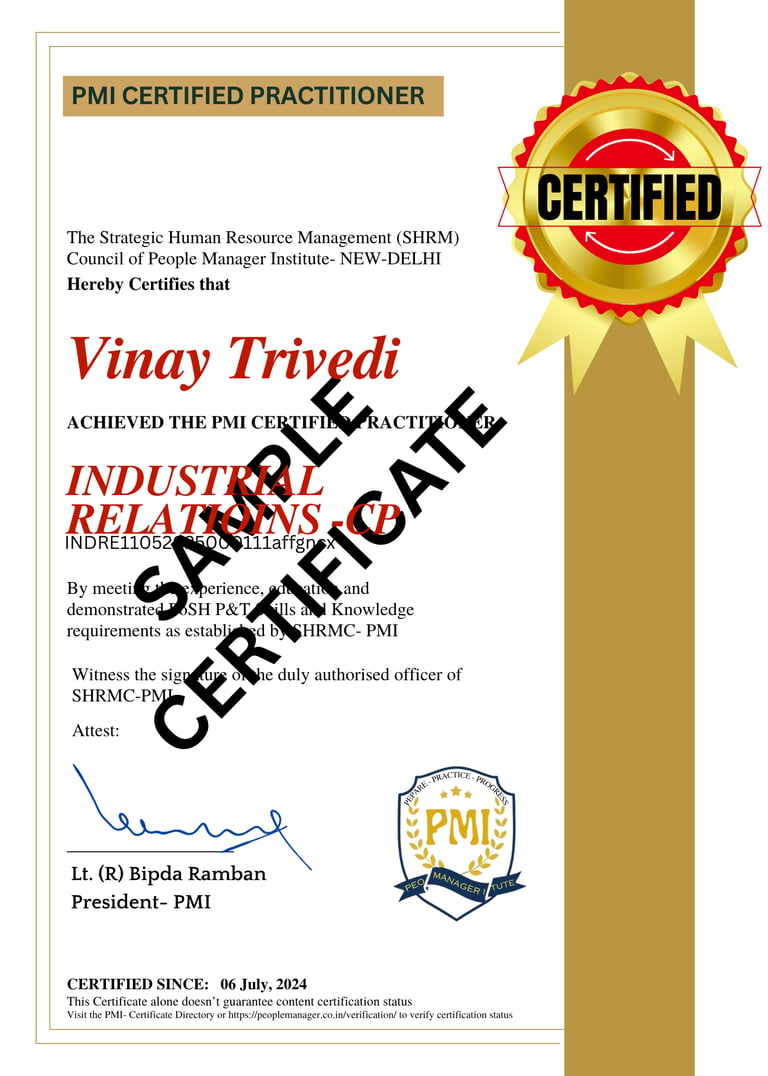
Certified Industrial Relations, Union Management & Labour Law Specialist Certificate
Syllabus
This course is structured into Six Practical Modules. The Main structure of the Program is as follows:


MODULE 2: INDUSTRIAL RELATIONS LAWS & LABOUR ORGANIZATION
Objective: Develop practical understanding of major labour laws governing employment conditions, workplace standards, dispute management, and trade unions.
Chapter 1: Factories Act, 1948
Working hours, health, safety and welfare provisions
Occupational health standards
Employer obligations and liabilities
Legal consequences of non-compliance
Case Study: Factory safety violations and prosecution.
Chapter 2: Minimum Wages Act, 1948
Principles of wage fixation
Scheduled employments and wage revisions
Enforcement mechanisms and penalties
Industry-wise wage practices
Workshop: Calculate minimum wages and wage benchmarks.
Chapter 3: Industrial Disputes Act, 1947
Industrial disputes and dispute resolution mechanisms
Strikes, lockouts, retrenchment and layoffs
Conciliation, arbitration and adjudication
Employer obligations during disputes
Simulation: Resolve an industrial dispute through negotiation.
Chapter 4: Industrial Employment (Standing Orders) Act, 1946
Standardization of employment conditions
Classification of workmen and service conditions
Drafting and certification of standing orders
Compliance and implementation requirements
Assignment: Draft model standing orders.
Chapter 5: Trade Unions Act, 1926
Registration and governance of trade unions
Rights and immunities of trade unions
Collective bargaining framework
Union-management relationships
Role Play: Formation and management of a trade union.
MODULE 1: FOUNDATIONS OF INDUSTRIAL RELATIONS IN INDIA
MODULE 3: EMPLOYER-EMPLOYEE RELATIONS & LABOUR WELFARE
MODULE 4: DISCIPLINE MANAGEMENT & UNION RELATIONS
MODULE 5: LABOUR LAW COMPLIANCE, AUDITS & INSPECTIONS
MODULE 6: THE NEW LABOUR CODES & FUTURE OF EMPLOYMENT REGULATION
Objective: Build a strong foundation in industrial relations principles, labour jurisprudence, constitutional provisions, and the evolving world of work in India.
Chapter 1: Industrial Relations Framework in India
Evolution of industrial relations in India
Objectives and scope of industrial relations
Stakeholders: Employers, Employees, Government & Trade Unions
Emerging challenges in labour-management relations
Exercise: Analyze an industrial relations case scenario.
Chapter 2: Constitutional & Legal Foundations of Labour Laws
Labour rights under the Indian Constitution
Fundamental Rights and Directive Principles of State Policy
Government initiatives for labour welfare and protection
Sources and evolution of labour legislation in India
Case Study: Landmark labour rights judgments in India.
Chapter 3: Employer & Employee Rights and Obligations
Employment contracts and legal obligations
Rights and responsibilities of employers and employees
Organized versus unorganized workforce protections
Principles of fairness and natural justice in employment
Workshop: Draft an employment contract and policy framework.
Chapter 4: Future of Industrial Relations
Globalization and changing labour markets
Economic reforms and employment restructuring
Emerging workforce models and industrial relations trends
Future of employee-employer relationships in India
Discussion: The future of work and labour relations.
Chapter 5: AI & Digital Transformation in Industrial Relations
AI in workforce management and employee relations
Digital compliance and automation in HR
Predictive analytics for labour risk management
Technology-enabled industrial relations practices
Interactive Workshop: Design an AI-driven HR compliance dashboard.
Objective: Enable HR professionals to effectively manage workplace discipline, employee grievances, collective bargaining, and union relationships.
Chapter 1: Employee Discipline & Misconduct Management
Types of misconduct and disciplinary procedures
Preventive disciplinary measures
Progressive discipline framework
Documentation and legal considerations
Workshop: Design a disciplinary management framework.
Chapter 2: Domestic Enquiry Process & Procedure
Principles of natural justice
Conducting domestic enquiries
Evidence management and enquiry proceedings
Preparation of enquiry reports
Simulation: Conduct a live domestic enquiry.
Chapter 3: Employee Grievance Management
Grievance redressal mechanisms
Employer responsibilities in grievance handling
Complaint investigation and resolution
Building a positive employee relations climate
Case Study: Resolve a workplace grievance.
Chapter 4: Employee Retention & Voluntary Retirement Schemes
Strategies for employee retention
Managing workforce transitions
Designing voluntary retirement schemes
Legal considerations in separation management
Discussion: Best practices in retention and workforce restructuring.
Chapter 5: Union Negotiation & Collective Bargaining
Collective bargaining process and strategies
Wage settlements and negotiation tactics
Industry wage survey methodologies
Drafting collective bargaining agreements
Role Play: Conduct employer-union wage negotiations.
Objective: Equip participants to manage employment relationships, social security obligations, labour welfare initiatives, and statutory benefits effectively.
Chapter 1: Employer Prerogatives & Disciplinary Management
Management rights and responsibilities
Principles of disciplinary administration
Misconduct handling and corrective actions
Legal considerations in discipline management
Workshop: Conduct a disciplinary proceeding.
Chapter 2: Wage Administration & Bonus Compliance
Payment of wages compliance
Wage structuring and salary administration
Bonus eligibility and statutory calculations
Wage documentation and record management
Exercise: Design a legally compliant wage structure.
Chapter 3: Social Security & Retirement Benefits
Provident Fund, Gratuity and Pension schemes
EPFO and ESIC administration
Employee benefit management
Dispute handling and claim resolution
Case Study: Social security disputes and legal remedies.
Chapter 4: Contract Labour Management
Rights and protections of contract labour
Principal employer and contractor responsibilities
Contract labour compliance management
Vendor compliance and documentation practices
Simulation: Conduct a contract labour compliance audit.
Chapter 5: Workmen Compensation & Employee Insurance
Compensation for employment injuries
Employer liabilities and statutory requirements
Workplace insurance mechanisms
Claims management and documentation
Exercise: Prepare a compensation compliance checklist.
Objective: Build capabilities to establish robust labour law compliance systems, conduct audits, and effectively manage inspections and regulatory reporting.
Chapter 1: Statutory Compliance Management
Labour law compliance framework design
HR policy compliance management
Compliance governance and accountability
Compliance risk assessment
Workshop: Prepare a statutory compliance dashboard.
Chapter 2: Labour Audit & Inspection Management
Internal labour compliance audits
Government inspections and employer obligations
Inspection readiness and response management
Corrective and preventive actions
Simulation: Handle an external labour inspection.
Chapter 3: Returns, Registers & Records Management
Statutory returns and filing requirements
Maintenance of registers and records
Documentation best practices
Digitization of compliance records
Exercise: Prepare labour compliance documentation.
Chapter 4: Compliance Reporting & Legal Risk Management
Compliance reporting frameworks
Labour litigation risk management
Compliance monitoring and controls
Technology-enabled compliance systems
Case Study: Managing a labour compliance failure.
Chapter 5: Integrated Labour Compliance Framework
Enterprise labour compliance architecture
Compliance scorecards and dashboards
Audit calendars and governance mechanisms
Building a compliance culture
Project: Design an enterprise labour compliance framework.
Objective: Develop practical expertise in implementing India's New Labour Codes and preparing organizations for future workforce and regulatory transformations.
Chapter 1: Code on Wages, 2019
New definition of wages
Minimum wages and floor wages
Wage structure redesign and implications
Employer compliance requirements
Workshop: Restructure salary components under the Wage Code.
Chapter 2: Industrial Relations Code, 2020
Recognition of negotiating unions
Standing orders and dispute resolution
Strikes, layoffs and retrenchment provisions
Modern industrial relations framework
Exercise: Draft an IR policy under the new code.
Chapter 3: Code on Social Security, 2020
Universalization of social security
Coverage of gig and platform workers
Provident Fund, ESI and gratuity provisions
Employer obligations and implementation challenges
Case Study: Analyze social security coverage under the new code.
Chapter 4: Occupational Safety, Health & Working Conditions Code, 2020
Workplace health and safety requirements
Welfare and working condition standards
Responsibilities of employers and employees
Occupational risk management systems
Simulation: Conduct a workplace safety drill.
Chapter 5: Future of Employment Regulation & Digital Compliance
Technology-driven labour administration
Digital inspections and compliance monitoring
AI-enabled workforce governance
Future trends in labour regulation and employment practices
Capstone Project: Build a New Labour Code implementation roadmap for an organization.
Program Delivery Approach
Real Case Studies: Includes examples from global corporations.
Hands-On Projects: Learners design Process structures and Execution plans.
Interactive Workshops: Practical application with real-world scenarios.
Role-Play & Simulations: Engaging exercises to develop communication and influencing skills.


16+
4
Month Duration
Practical Workshops
ACCOMPLISHMENT
Evaluation Methods
Practical Assignments (Case studies, mock negotiations)
Live Simulations (Role-play grievance handling, disciplinary actions)
Legal Compliance Tests (Evaluating industrial approvals, statutory filings)
Industry Project (Participants analyze real-world industrial relations challenges)
Final Certification
Participants receive a Certified Industrial Relations , Union Management & Labour Law Specialist certificate upon successful completion.
📝 Assessment & Certification
Don't Miss!!
Enroll Now with 50% off to become Certified Industrial Relations Specialist
Pre-Assessment
Assess Your Current skills in Industrial Relations Management to align your self with the specialist abilities
Practices with Experts to build your capabilities in Labour law & regulatory compliance, Collective bargaining & union relations management, Employee grievance handling & Workplace conflict resolution & Industrial approvals, liasoning & corporate strategy
Evaluate Your Nurtured Ability Post Program Completion and become Certified Industrial Relations Specialist